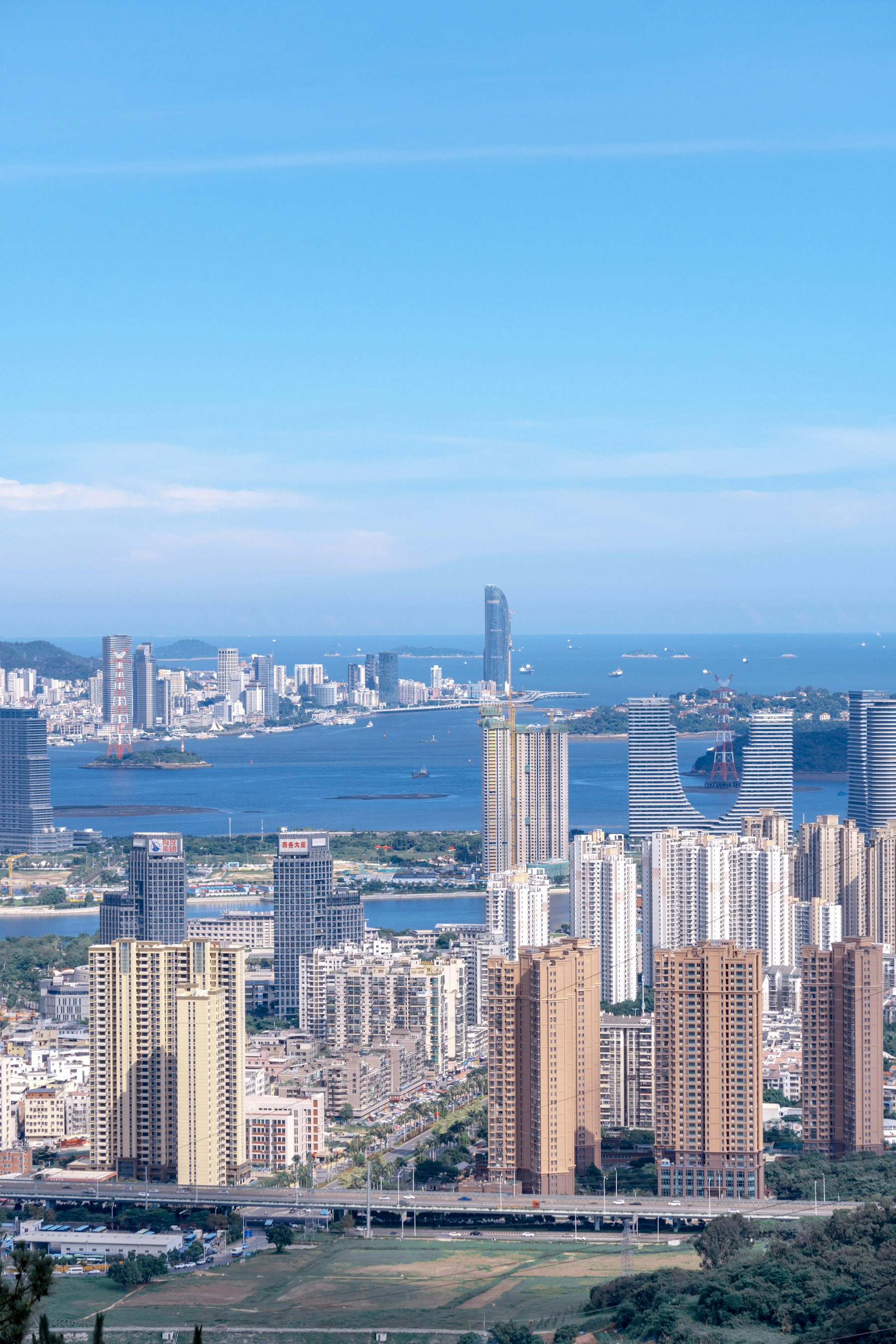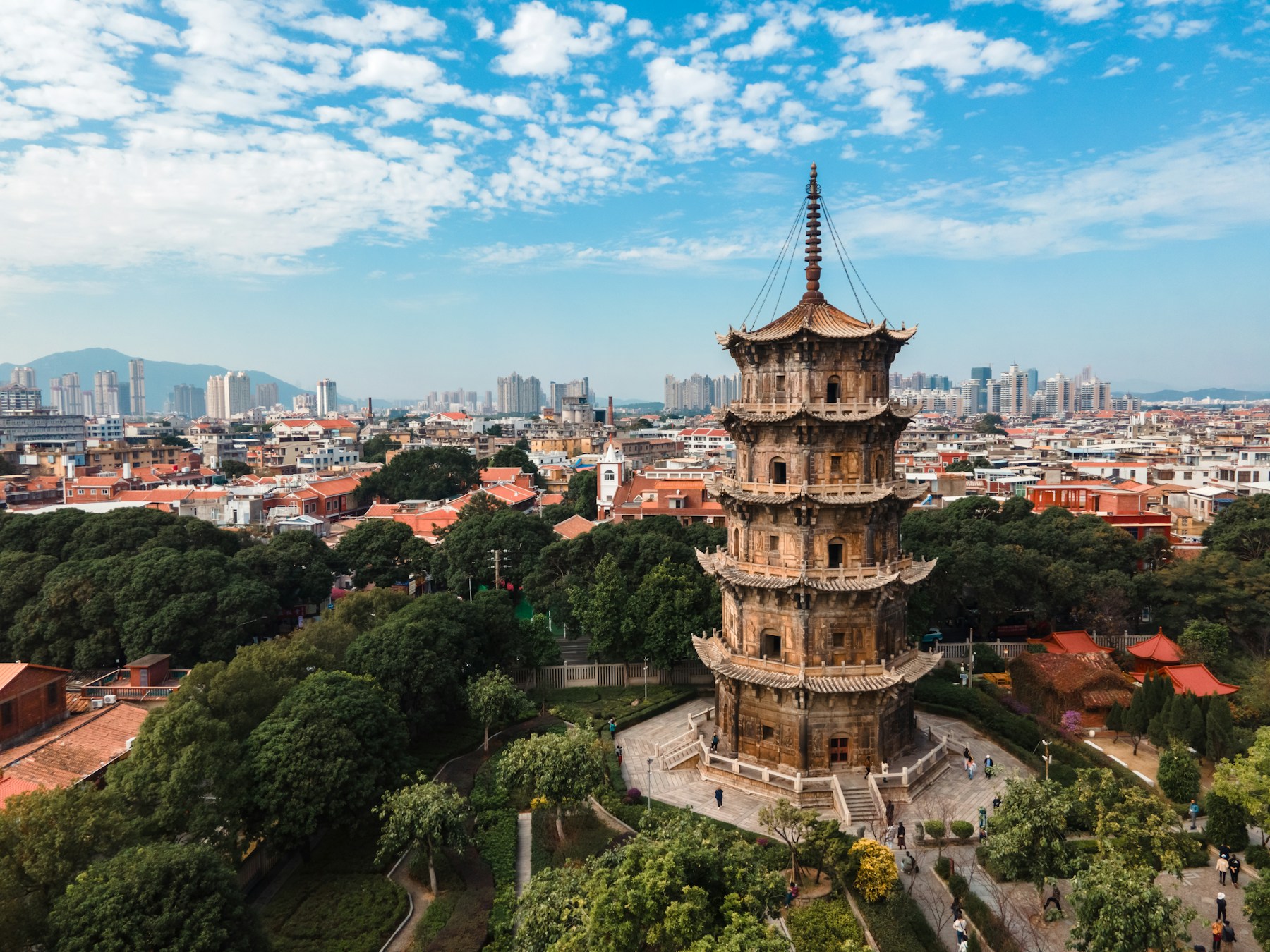
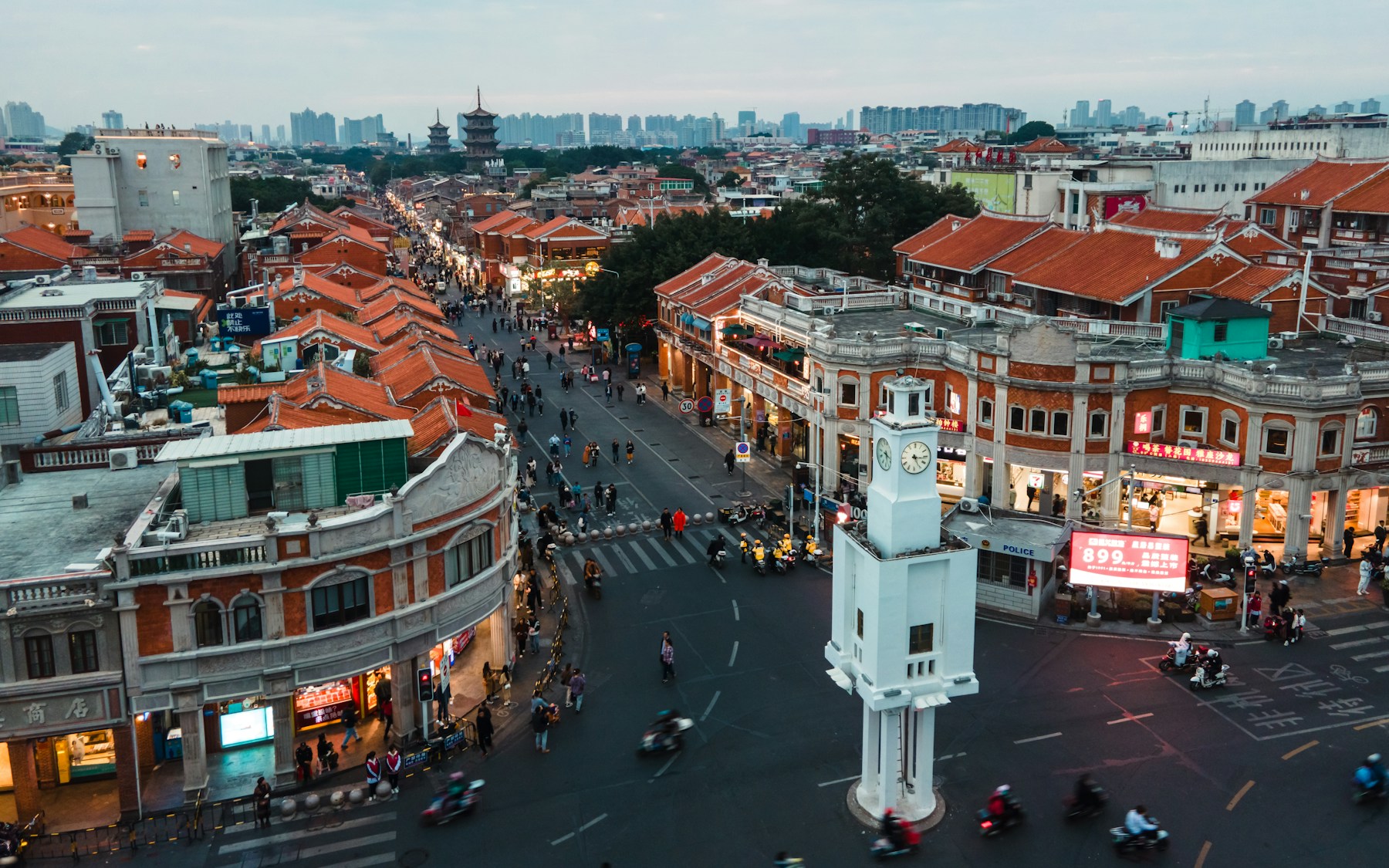
Xiamen coastal view at dusk

Nanyang & Beyond

A coastal and urban South China route — Xiamen's sea-worn colonial lanes, Chaoshan's ancient Teochew rituals, Shenzhen's speed-built ambition, and Hong Kong's layered East-West intensity. Four cities, four completely different registers of what China can be.

RouteXiamen → Chaoshan → Shenzhen → Hong Kong
DepartureSummer 2026 (dates to be confirmed)
PriceCAD $2,598 per person (excluding international flights)
GroupMax 20 participants
DeadlineMay 31, 2026

Route Highlights

What you'll see

Gulangyu Island colonial architecture

An island with 13 former consulates and no cars

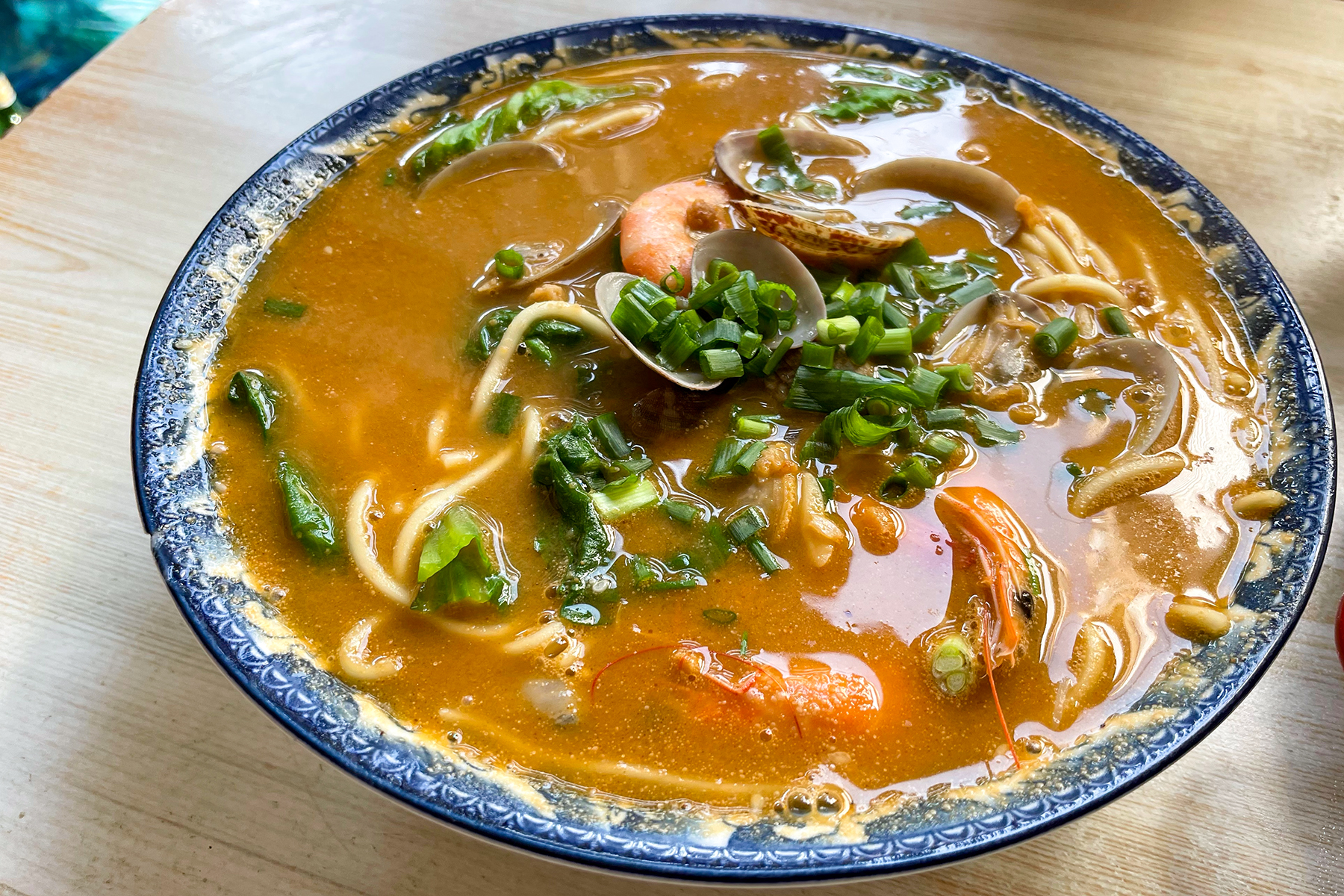
Xiamen shacha noodles

A bowl of peanut broth that Xiamen calls its own
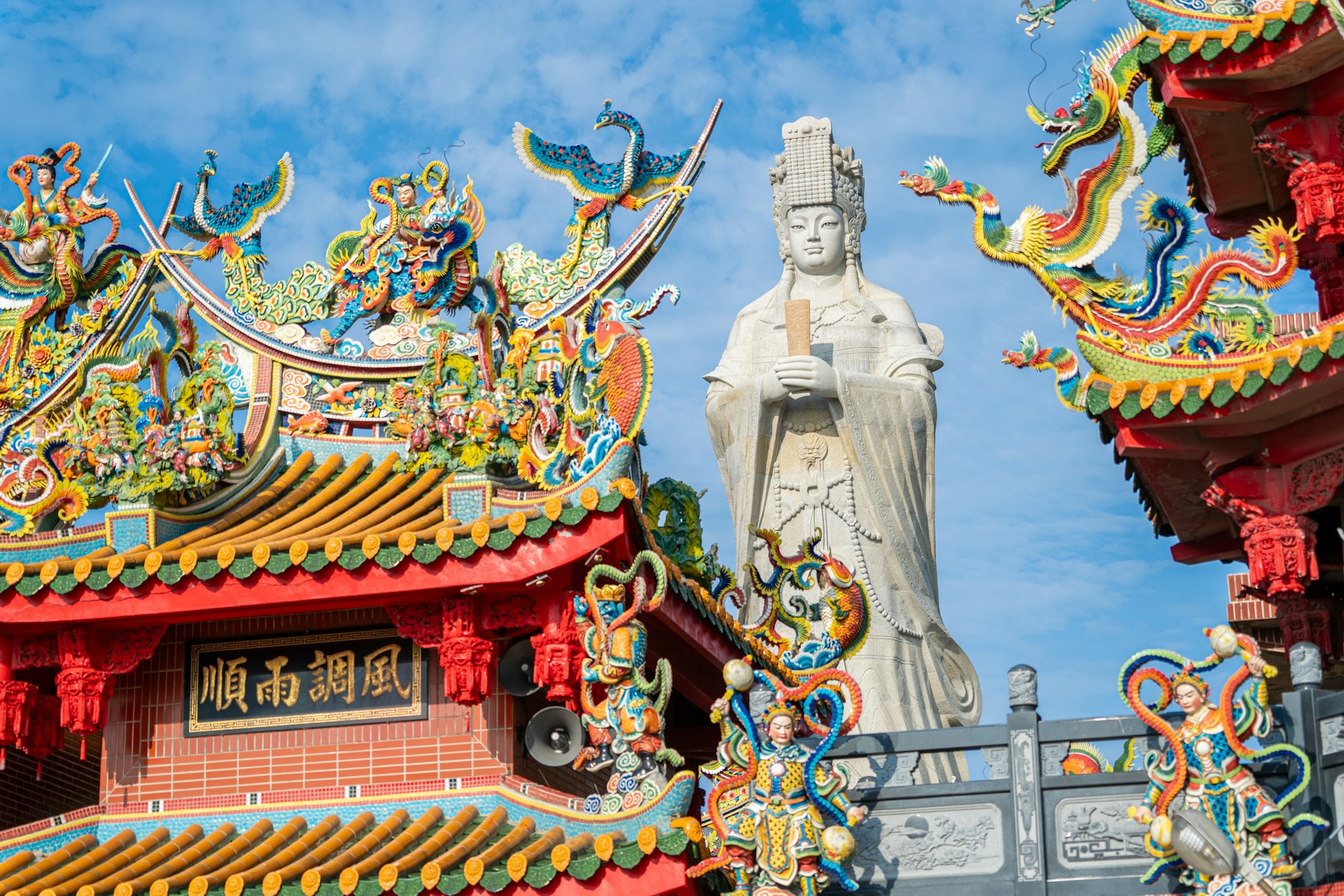
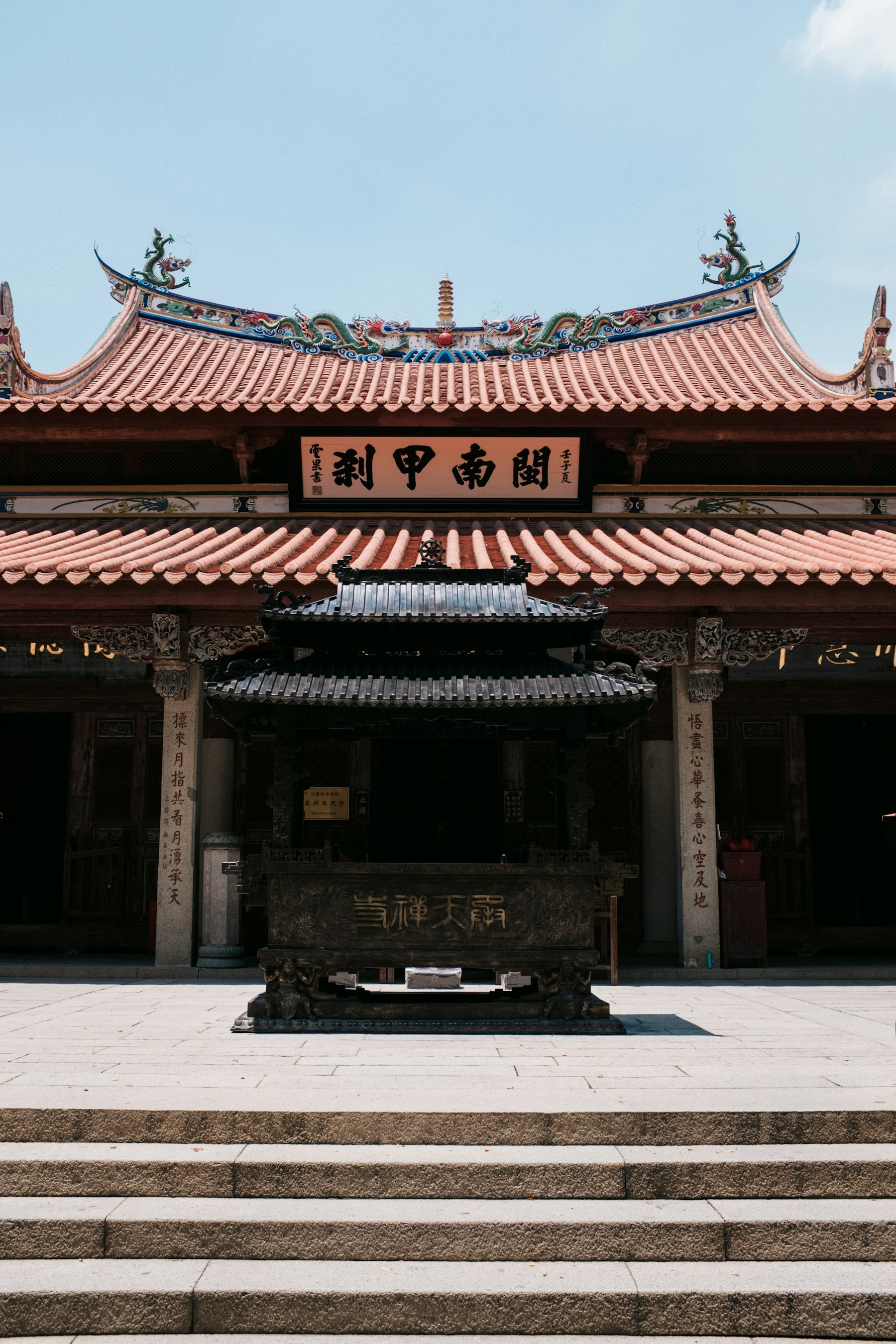
Chaozhou Paifang Street

A street of stone archways that Chaoshan never let modernize

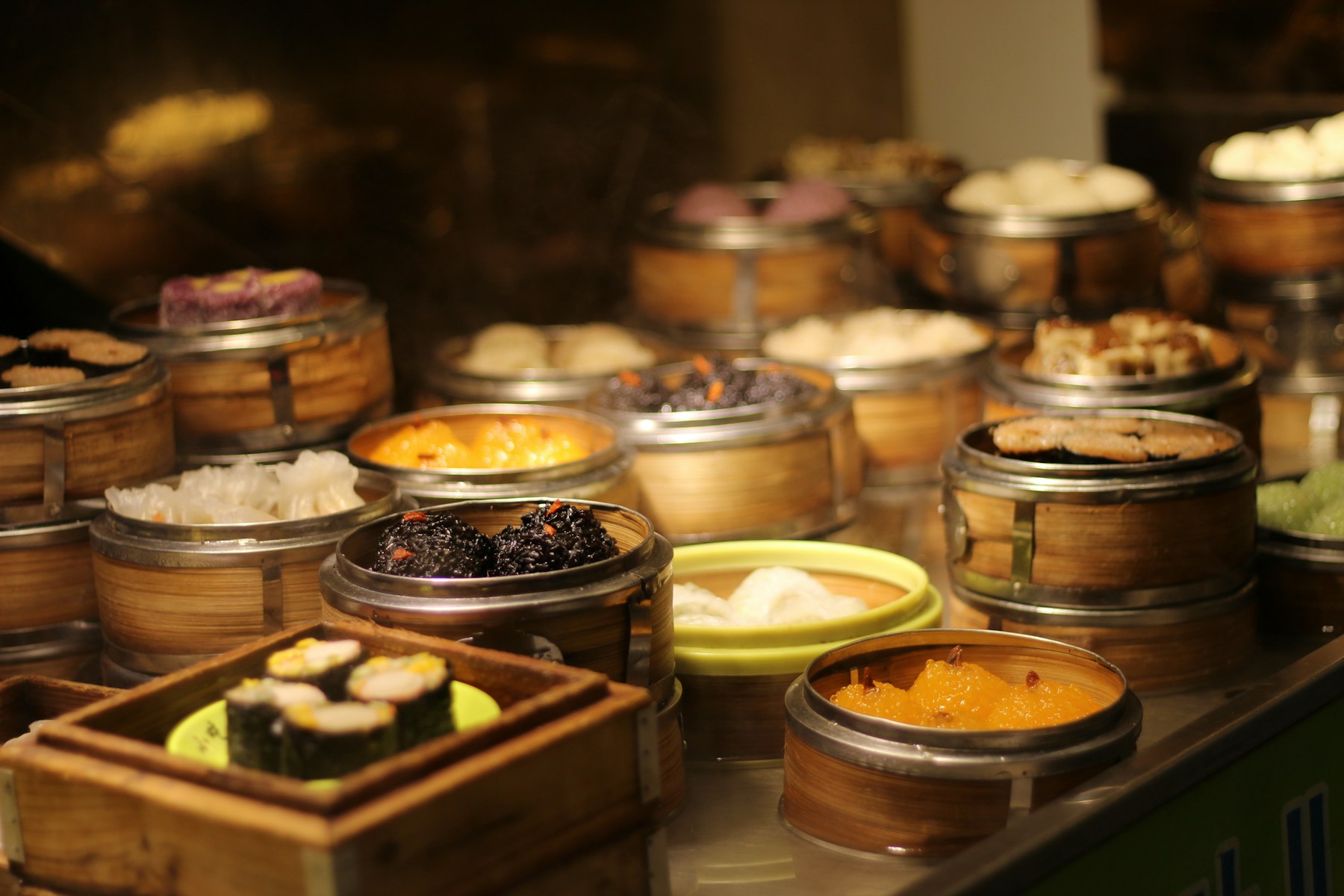
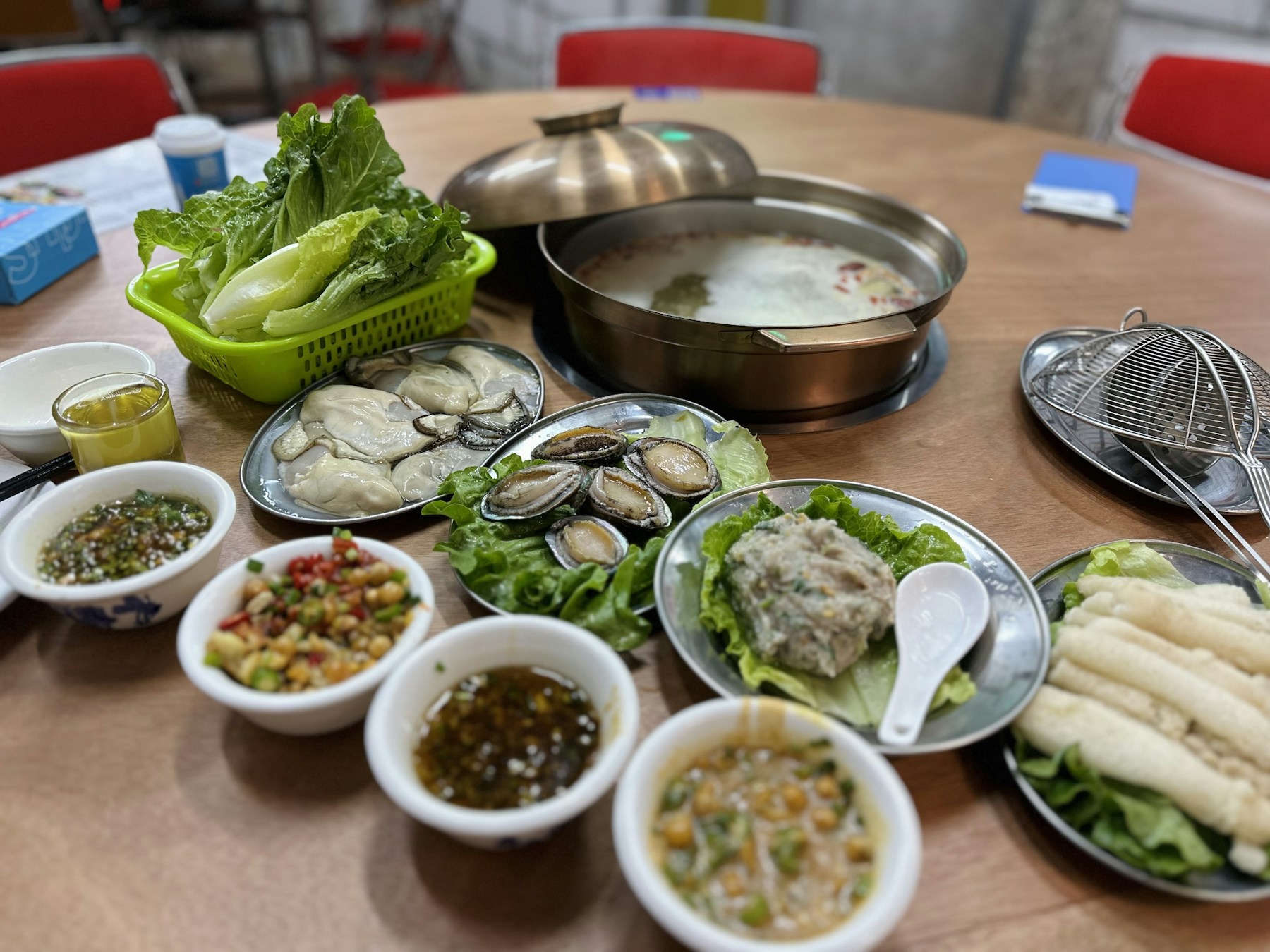
Chaoshan beef hotpot

Fresh-cut beef, still warm from the market, in clear broth

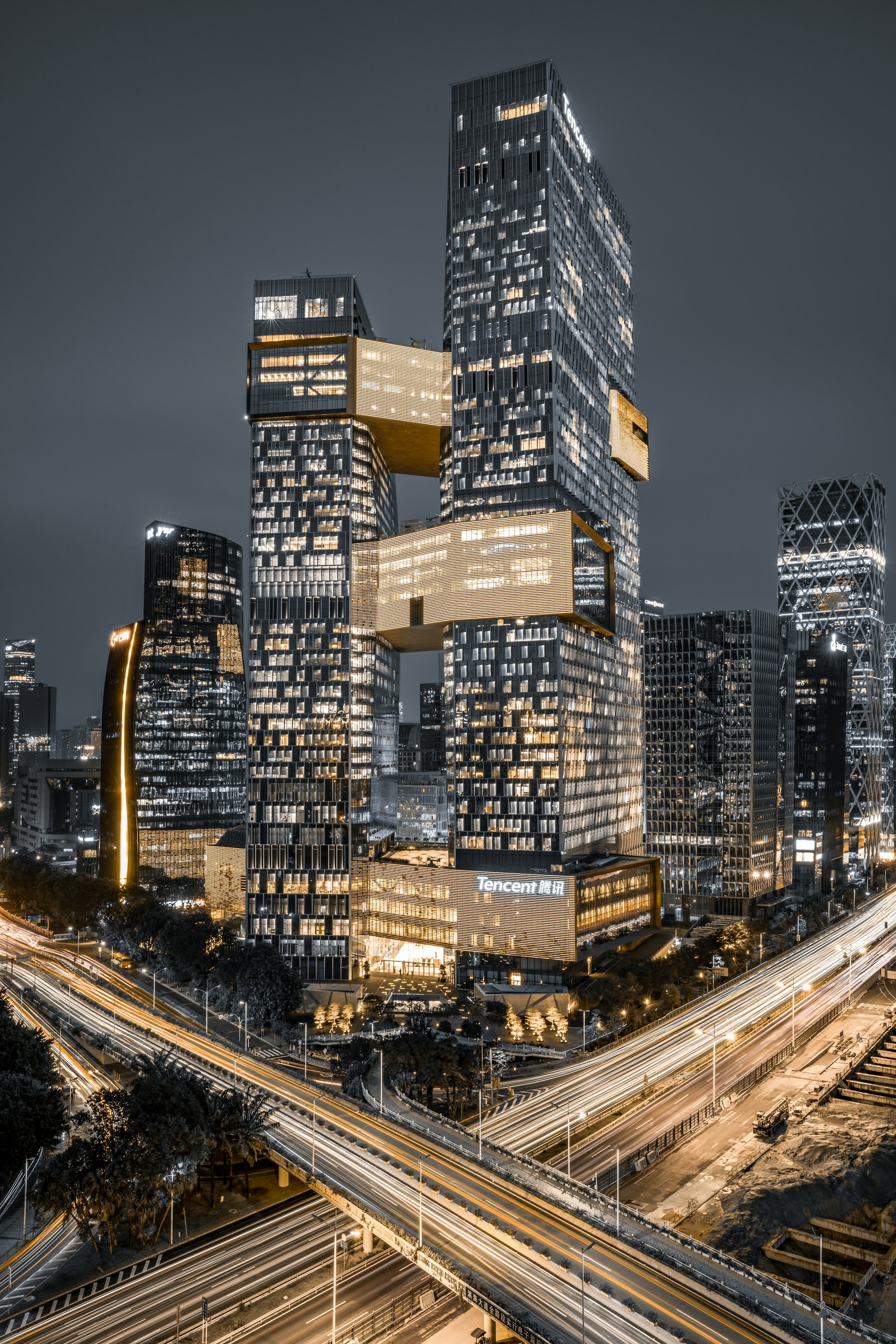
Shenzhen modern skyline

A fishing village of 30,000 that became a city of 17 million

Hong Kong harbour star ferry

Eleven minutes across the harbour. Two very different cities.

Hong Kong harbour star ferry

Eleven minutes across the harbour. Two very different cities.

Shenzhen modern skyline

A fishing village of 30,000 that became a city of 17 million

Chaoshan beef hotpot

Fresh-cut beef, still warm from the market, in clear broth

Chaozhou Paifang Street

A street of stone archways that Chaoshan never let modernize

Xiamen shacha noodles

A bowl of peanut broth that Xiamen calls its own

Gulangyu Island colonial architecture

An island with 13 former consulates and no cars

Four cities. Four different Chinas.

The South China Route moves through a register of the country that most travelers miss: Xiamen's colonial sea air and diaspora nostalgia, the ancient Teochew civilization of Chaoshan, Shenzhen's speed-built ambition, and finally Hong Kong — the place where East and West stopped being a metaphor and became actual streets, food stalls, and a way of moving through the world.

The sea arrives before the city does. You smell it first — salt and rain and something faintly sweet that turns out to be incense from the temple at the end of the lane. On Gulangyu the streets are too narrow for cars, which means you hear everything: piano scales from a second-floor window, the clatter of a bicycle, someone's grandmother arguing with a fruit seller. The pace is different here. You will notice it by the end of the first afternoon.

Chaoshan moves at the speed of tea. A session here is not a tourist activity — it's how people talk. Your host will fill the tiny cup before it empties; refusing means you want to leave. Sit long enough and the conversation finds its own rhythm. The beef at dinner was in a paddock this morning. The noodles were made by hand two hours ago. Everything is closer to its source than you expect.

Shenzhen announces itself through scale. The buildings are enormous and new and completely unapologetic about it. There is no nostalgia here — the city is 45 years old and knows it. What you find instead is energy: the electronics market where engineers source components at 8am, the art district that appeared in a former factory compound, the young residents who came from everywhere else and are still figuring out what kind of place this is.

Hong Kong runs on compression. The trams move slowly through streets packed tight with signage in three scripts. The Star Ferry costs almost nothing and takes ten minutes and gives you the full sweep of the harbour in both directions. In the wet market at dawn the fish are still moving. In the evening the light from ten thousand windows turns the harbour gold. The city is dense and real and entirely itself.

10 days  ·  Xiamen · Chaoshan · Shenzhen · Hong Kong

Why this trip

There are cheaper tours out there. Here's what's different.

Not just history, but the conversations and ways of thinking that shape it.

Not just food, but the stories and origins behind every dish.

Not just activities, but the daily rhythms that make a place alive.

Not just a trip, but a chance to feel a world that is genuinely different.

01

Student-led, every step

Beyond a professional guide, Chinese university students join as co-leads throughout — people who actually live there, know where to eat, what to do after dark, and how to move through the city like a local.

02

Built for real experiences

Parties, pop-up markets, local food nights, craft workshops, exhibitions — the schedule is built so you step into daily life, not just photograph it from the outside.

03

Zero logistics on your end

VPN, mobile payments, local SIM, transport between cities — sorted before you land. You show up, we handle the rest.

About the price

CAD $3,000 — here's where it goes

You're flying to the other side of the world. Make it count.

Why does it cost this much?

You could find a similar itinerary for the same price. Maybe cheaper. But that kind of trip isn't what we're building.

Not just the views — games, parties, local food nights, craft workshops, time with people who actually live there. That costs something. But that's exactly the point.

We designed this so you leave with memories, not regrets.
Accommodation ~$800

4–5★ hotel, shared double room

Food & dining ~$700

Local specialty restaurants daily

Activities & tickets ~$500

Entrance fees + special programming

Guide & local transport ~$500

Professional guide + daily in-city

City-to-city transfers ~$300

High-speed rail & domestic flights

Program & co-lead ~$200

Club ops + your UofT co-lead on the ground

Total (excl. flights) ~$3,000

✈ International flights not included

10-day route at a glance

Click any day to explore the places you'll visit.

Included

  • 4–5 star hotel accommodation in a shared twin-room setup
  • In-China transportation for the full route (trains, ferries, border crossing logistics)
  • Core attraction tickets and selected group experiences
  • Hong Kong–Shenzhen border crossing coordination and briefing
  • Organizer coordination and on-the-ground support throughout
  • Language support during logistics-heavy and key cultural moments
  • Pre-departure setup guide for payments, SIM, and arrival readiness
  • Group WhatsApp and pre-trip orientation call

Not included

  • ×International flights to Xiamen and from Hong Kong
  • ×Hong Kong hotel (nights in HK are not included — participants arrange independently or we can assist)
  • ×Travel insurance and personal medical expenses
  • ×Visa-related costs if policy changes before departure
  • ×Optional room upgrades, personal shopping, and nightlife spending

Video references before you decide

Planning a South China trip from Toronto or elsewhere in Canada? Start with the handbook, then check the team background and privacy policy.

FAQ

Frequently Asked Questions

As of 2024, Canadians can enter mainland China visa-free for up to 15 days. The route spends approximately 6 days in mainland China (Xiamen, Chaoshan, Shenzhen) and 2 days in Hong Kong, which has its own visa-free access for Canadians (90 days). We will send a full visa briefing document after you register.
The most convenient crossing is the high-speed rail from Shenzhen North to West Kowloon (19 minutes, CNY 85–95). We handle group coordination for the crossing, including briefing on what to carry and customs expectations. You will need your passport — not just your travel document.
The price covers hotels for the mainland China portion of the route (Xiamen, Chaoshan, Shenzhen), all in-China transportation, core attraction tickets, and organizer support throughout. Hong Kong accommodation is arranged independently — we provide vetted recommendations.
Chaozhou and Shantou are off the usual tourist trail, which means English is less common than in Xiamen or Hong Kong. This is part of what makes the visit genuine. We provide language support for all key logistics — ordering, transport, check-in — and the experience is entirely doable.
Moderate. Expect 10,000–15,000 steps on active days, including some uneven heritage-site surfaces in Chaozhou. Gulangyu Island involves walking on hilly lanes. There are natural rest days and free time built into the schedule. No hiking gear required.
Yes. Fujian, Guangdong, and Hong Kong food cultures are all highly varied and accommodate most needs. Vegetarian options are readily available in Buddhist temple areas (South Putuo, Kaiyuan Temple). Halal options exist in larger cities. Let us know your requirements after registering and we will prepare accordingly.
Maximum 20 participants. Our groups typically include students from Canadian universities and recent graduates, mostly in their 20s, based across Canada. Many participants are heritage Chinese Canadians visiting ancestral regions for the first time — the Chaoshan leg resonates especially.
Applications close May 31, 2026. We review for fit and follow up within 5 business days. Given the limited group size, we recommend applying early. A deposit holds your spot; the balance is due closer to departure.

Apply

Ready to go?

Tell us about yourself and which trip you're interested in — we'll follow up within 5 business days.

Apply Now →